Engineered Living Materials: How Anna Sandak Is Making Buildings Self-Heal
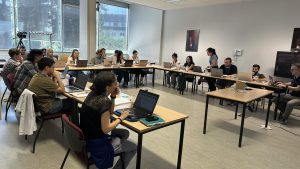
A researcher from InnoRenew CoE, UP IAM attended the deCYPher hands-on summer school “Fundamentals in Integrating Synthetic Biology, Data, and AI”, held 6–8 July 2026 in Ghent, Belgium.
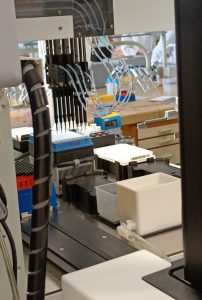
Klara Gregorič, InnoRenew CoE, UP IAM researcher, attended the international summer school, which brought together students and researchers from different count several European universities and research institutions. The summer school focused on three main themes: automated literature scraping and data collection, automated microbial cloning and best practices in research data management. The programme combined lectures, interactive sessions and group work, providing participants with practical skills and conceptual foundations for integrating synthetic biology with modern data and artificial intelligence approaches.
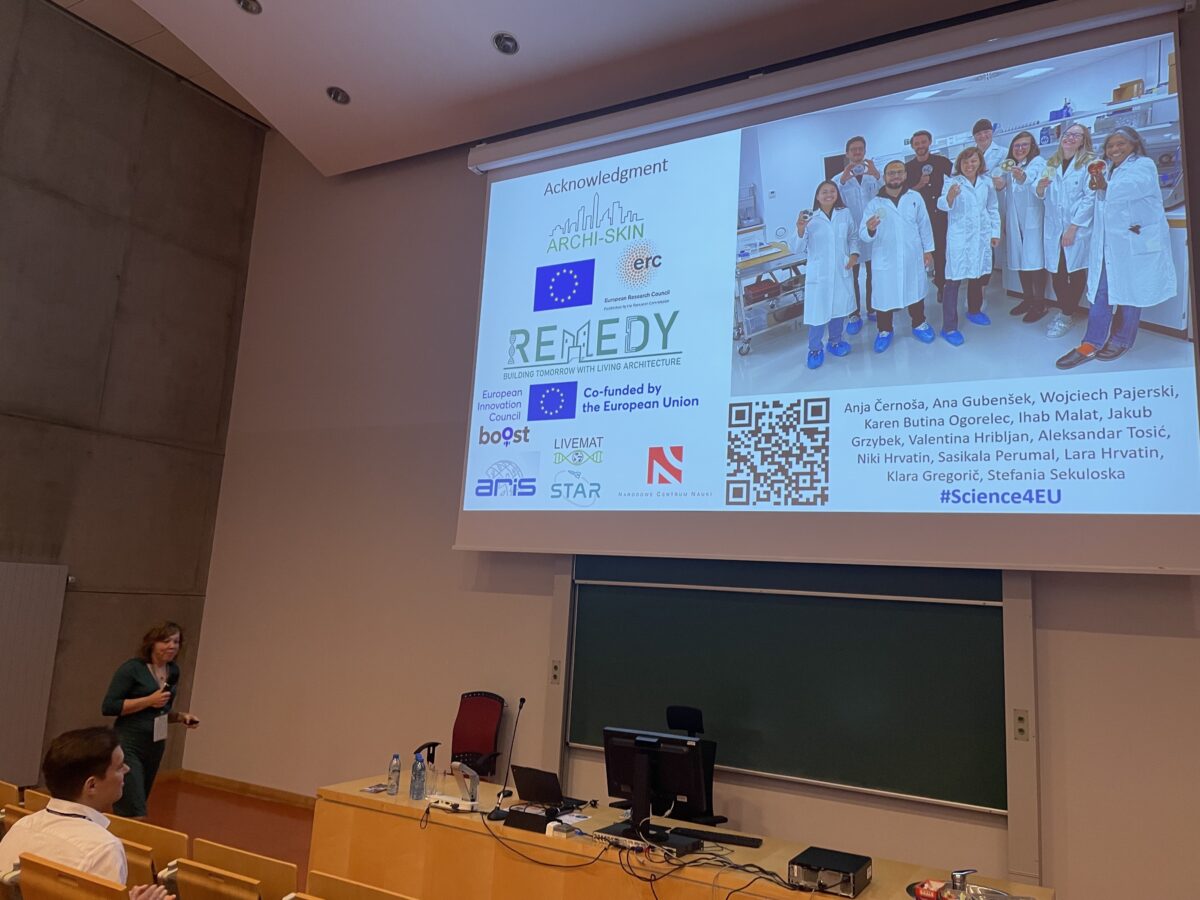
Effective research data management and the use of automated literature scraping can be directly applied to the ARCHI-SKIN project, funded by the European Research Council (ERC), as these techniques facilitate more efficient identification and retrieval of relevant scientific literature while supporting robust research data management practices, which are essential for the effective implementation and overall quality of the project.

COST Actions (European Cooperation in Science and Technology) provide valuable opportunities for researchers to build international networks and strengthen collaboration across Europe. InnoRenew CoE, UP IAM researchers continue to actively contribute to these initiatives.
Dr. Anna Sandak, InnoRenew CoE, UP IAM Materials research group leader, was nominated as a Management Committee (MC) member for the newly approved COST Action CA25136 – Intelligent Soft Materials via Chemical Feedback Control at Materials Interfaces (INFORMat).
INFORMat aims to bring together interdisciplinary experts to define and advance the principles of intelligent soft materials, enabling systems that can sense, decide, and act autonomously in real-world environments. The Action will identify promising approaches and material platforms, and develop roadmaps for key functionalities such as sensing, decision-making, signaling, and movement. By fostering a shared vision and building capacity across Europe, INFORMat will help position the region at the forefront of advanced materials innovation, accelerating the transition from academic research to practical, sustainable, and economically impactful applications.
The ARCHI-SKIN delivered lectures
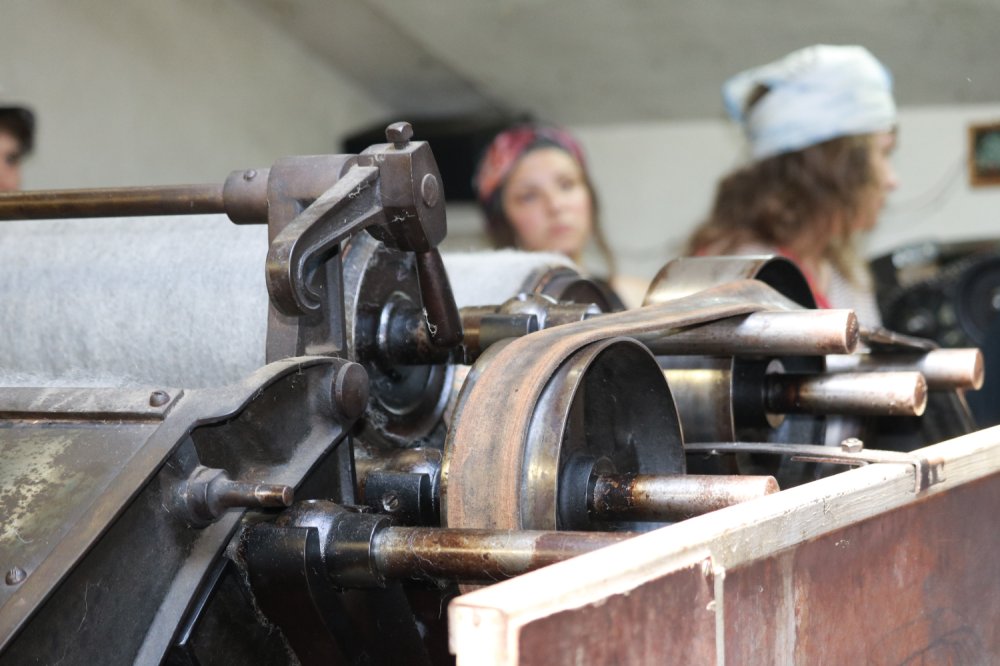
Anna Sandak – Wool as a functional biological interface
Jakub Grzybek & Ana Gubenšek – Mycelium-based composites: from growth to performance
Wojciech Pajerski- Understanding wool – a chemical perspective
and a practical hands-on training
Jakub Grzybek & Ana Gubenšek – Wool & Mycelium Composites
Jakub Grzybek – Phase Change Materials and Wool
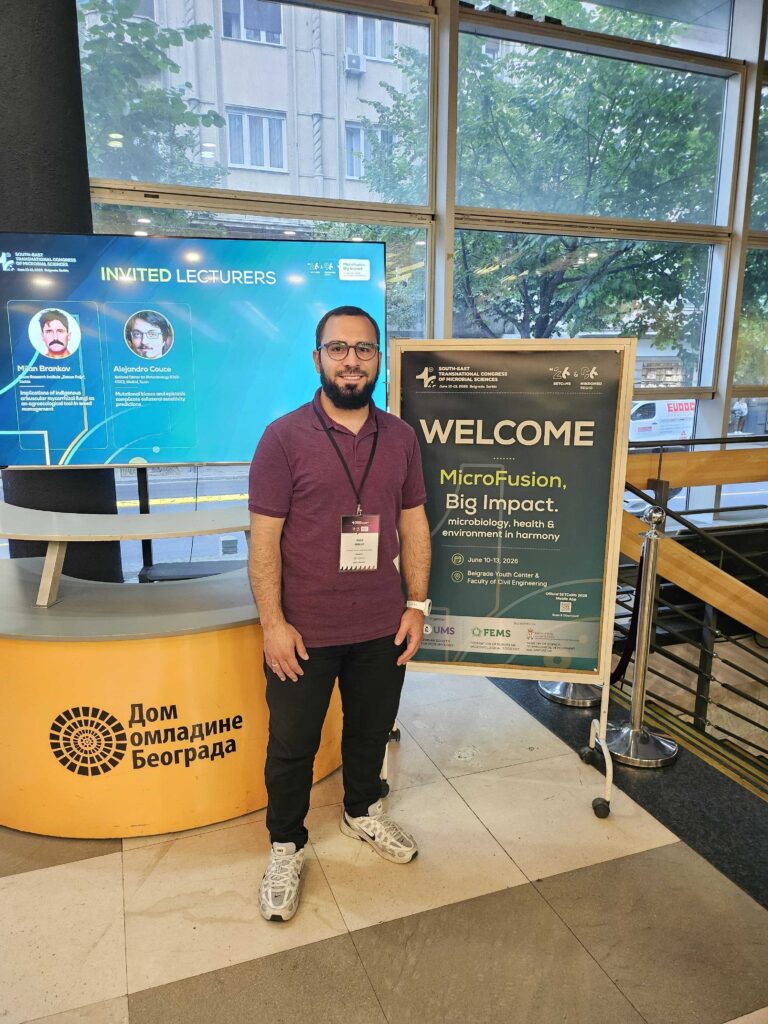
InnoRenew CoE, UP IAM researcher attended the 1st South-East Transnational Congress of Microbial Sciences (SETCoMS 2026), held 10–13 June 2026 in Belgrade, Serbia.
The congress brought together researchers, clinicians and industry representatives from across the region and beyond to discuss recent advances in microbiology, health and environmental sciences.
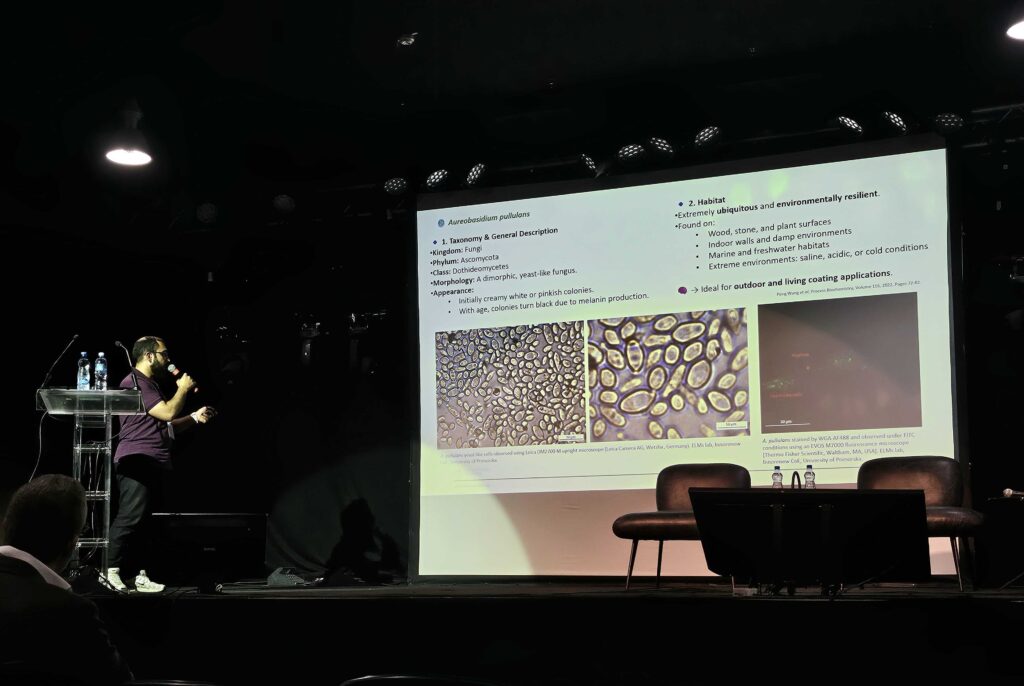
Dr. Ihab Malat, InnoRenew CoE, UP IAM researcher, presented at the congress his recently published research article entitled ‘’Surface Colonization of Aureobasidium pullulans: A Multimodal Microscopy Study Toward Living Coating Development’’.
The study contributes to the development of innovative bio-based living coatings and investigates the surface colonization behaviour of Aureobasidium pullulans, a versatile fungal species with significant potential for sustainable building applications. Using a multimodal microscopy approach, the research provides valuable insights into fungal growth patterns and biofilm formation on material surfaces, supporting the design and optimisation of living coating systems.
The presented work contributes to the objectives of the ERC-funded ARCHI-SKIN and EIC-funded REMEDY projects, which aim to develop innovative bio-based technologies and sustainable solutions for the built environment through the integration of living systems and advanced material design.
The SETCoMS 2026 congress programme focused on recent developments in microbial sciences and provided an excellent platform for disseminating research findings, exchanging knowledge and establishing new scientific collaborations.


The Marie Skłodowska-Curie Actions (MSCA) is marking the 30th anniversary of the programme, which has been supporting the development of research careers, skills acquisition, and the international mobility of researchers across Europe for three decades.
Over 30 years the programme has supported over 150,000 researchers at all career stages, from early-stage doctoral candidates to experienced postdoctoral researchers and research managers. Among those were also several InnoRenew CoE, UP IAM researchers which received the MSCA fellowships that supported their career development and enhanced collaboration between industry an academia.
Currently InnoRenew CoE, UP IAM researchers are involved in two active MSCA-funded projects, namely Dr. Valentina Hribljan is developing the Stress-Induced Preconditioning for Resilient Engineered Living Materials in Probiotic Architecture project and Dr. Karen Butina Ogorelec with the Microbially Induced Mineralisation of Wood for Improved Fire Resistance (MICRO-INSERT) project, both under supervision of Dr. Anna Sandak.
These projects are reflecting the ongoing collaboration within MSCA framework and contributing to the programme’s broader objectives through interdisciplinary and international research activities.
You can find more information about the anniversary on the official MSCA 30th anniversary page.
Researcher from InnoRenew CoE, UP IAM participated in the 7th International Conference on Applied Surface Science (ICASS 2026), held 1 – 4 June 2026 in Chengdu, China.
The conference, organized by the journal Applied Surface Science and Elsevier, brought together researchers working in surface science, advanced materials, nanotechnology, biointerfaces and related fields. The event provided an opportunity for knowledge exchange and discussions on current developments and future research directions in these areas.
Dr. Wojciech Pajerski, InnoRenew CoE, UP IAM researcher, presented his research on microbial–material interactions, biointerfaces and sustainable bio-based material solutions. His participation contributed to discussions with international experts and researchers working on related topics.
The conference also provided opportunities for networking and strengthening existing collaborations. During the event, Dr. Pajerski met with collaborators from the Faculty of Chemistry at the Jagiellonian University to discuss ongoing research activities and opportunities for future cooperation.
Participation in ICASS 2026 enabled the exchange of knowledge with researchers from around the world, fostered scientific collaboration, and supported discussions on future developments in surface science, biointerfaces and sustainable material solutions.
InnoRenew CoE, UP IAM hosted a group of students and Prof. Guenter Berger from Salzburg University of Applied Sciences as part of a sustainable study excursion.
They were welcomed by Dr. Jakub Grzybek, InnoRenew CoE, UP IAM researcher. Dr. Mike Burnard, Deputy Department Chair at InnoRenew CoE, UP IAM, guided them through the facility and laboratories, presenting the research environment and ongoing activities.


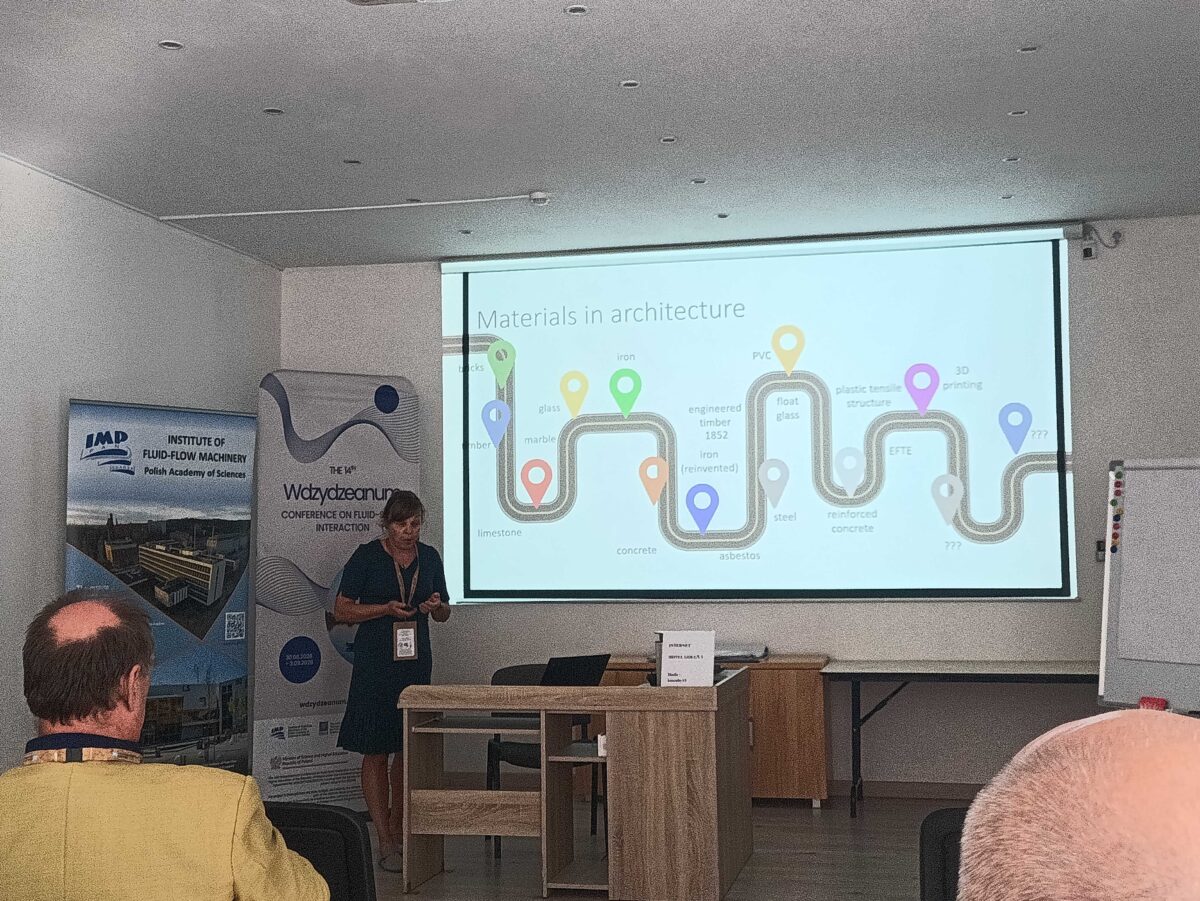
During the visit, Dr. Anna Sandak, InnoRenew CoE, UP IAM Materials research group leader and representative of the University of Primorska in the Technology Council for Advanced Materials of the European Commission, introduced the ELM research activities and gave a presentation titled Living systems as building materials.

The visit provided students with an opportunity to gain insight into contemporary research in sustainable construction and wood science.

As part of an Erasmus+ teaching mobility at Stellenbosch University (South Africa), ARCHI-SKIN researcher Dr. Jakub Grzybek and Dr. Wojciech Pajerski delivered educational activities focused on bioinspired materials and emerging approaches to sustainable material design.
The course introduced students from the Department of Forest and Wood Science to concepts related to Engineered Living Materials (ELMs), highlighting how living systems can inspire the development of adaptive and environmentally integrated materials. Through interactive lectures and practical exercises, participants explored biological principles as a source of innovation for future material technologies.
The activity supported the dissemination of knowledge and research concepts relevant to the ARCHI-SKIN project while fostering international collaboration and knowledge exchange in the field of sustainable and bioinspired materials research.
The visit was hosted by Prof. Brand Wessels at Stellenbosch University.
We’re excited to launch our new project – STAR – Space Testing for Advanced Resilience of Engineered Living Materials
Building on our ERC project ARCHI-SKIN, which developed living, bio-based coatings for architecture, STAR takes this concept a step further. After receiving an ERC Proof of Concept Seal of Excellence, the project is now supported by the Slovenian Research and Innovation Agency (ARIS).
In STAR, we explore how Engineered Living Materials (ELMs) perform under extreme space conditions – including microgravity, radiation, temperature fluctuations, and limited nutrients. By studying fungal biofilms and their ability to adapt and self-repair, we aim to understand how living materials can maintain functionality in unpredictable environments. These insights could help advance self-healing, sustainable materials for architecture – both on Earth and in future space applications.